Grief at Christmas: Getting Through the First Christmas Without Them
Planning the day, deciding what to keep, and finding a way to include the person who isn't there

Steve is a STILL Method certified Grief Coach, and works with clients experiencing grief in all its many forms.
The short answer: the first Christmas after someone dies is often one of the hardest days of the first year, and the weeks before it can be harder still. There's no right way to do it. Plan ahead, decide which traditions to keep, change or skip, give yourself a way out on the day, and find a small way to include the person you're missing. Getting through it is enough.
I am writing this at the end of September, and walking home from the tram today I realised that conkers are in season. Being a small boy at heart I obviously picked one up! That also made me realise the season is changing and we are heading for Christmas. The festive season can be anything but festive if you are grieving the loss of a loved one or cherished pet, so here are some thoughts on how to prepare and face into the holiday season.
Why is Christmas so hard when you're grieving?
Christmas is built around family, tradition and being together, so it points straight at the gap. The empty chair, the stocking nobody fills, the present you catch yourself about to buy. Traditions that were theirs, like carving the turkey, the terrible cracker jokes, or the same film every Christmas Eve, suddenly have nobody to do them.
It's also relentless. From early November the shops, the adverts and the playlists all insist that this is the happiest time of the year, and that can make grief feel lonelier and out of step with everyone else. You might feel you're spoiling it for others, or that you're expected to be cheerful for the sake of the children or the rest of the family.
None of that means you're grieving wrongly. It means Christmas mattered, and so did they.
The first Christmas without mum, dad or a partner
The first Christmas is often the hardest because it's the first time you do it without them. Losing a mum or dad can mean losing the person the whole day revolved around, the one who hosted, cooked, or held the family together. Suddenly nobody knows where Christmas happens any more, or who decides.
Losing a partner can mean the quiet is the hardest part: waking up on Christmas morning alone, or being a guest in someone else's house when you used to host your own.
If it's a pet you've lost, Christmas can feel just as empty: the dog who always had a present under the tree, the cat asleep in front of the fire. Grief for a pet is real grief, even when other people don't treat it that way, and everything here applies to it too. There's more on grieving a pet if that's where you are this year.
Many people find the run-up is worse than the day itself. The anticipation builds for weeks, and the day, when it comes, is sometimes more manageable than they'd feared. That's worth knowing if you're dreading it now.
How do you plan Christmas after a death?
Deciding in advance takes some of the pressure off the day. It doesn't have to be a big plan, just enough that you aren't making every decision in the moment.
Talk to the people you'll spend it with. Everyone grieves differently, and one person's comfort ("let's do everything exactly as we always did") can be another's ordeal. It helps to say out loud what each of you needs, and to agree that nobody has to pretend.
Decide what to keep, change or skip. Some traditions are worth keeping because they connect you to the person. Some are too painful this year. You might go somewhere different, eat out instead of cooking, or skip the tree. Nothing you decide this year is permanent, and you can go back to the old ways next year or never.
Have a plan A and a plan B. Say yes to an invitation, but know how you'll get home if you need to leave early. Tell someone you trust that you might need a quiet half hour, and let them cover for you.
Keep expectations low. You don't have to make it a good Christmas. You only have to get through it, in whatever way works.
Don't forget the days around it. Christmas Eve, Boxing Day and New Year's Eve can be just as hard, and they often have less structure. Have something planned, even something small.
Like all plans you are also free to completely abandon it: if you wake up on Christmas morning and decide that you would rather spend the day in your jimjams eating cheese on toast, then that is fine too.
How can you remember a loved one at Christmas?
Including the person who died can make the day feel less like pretending. It doesn't need to be a big gesture. Some ideas people find helpful:
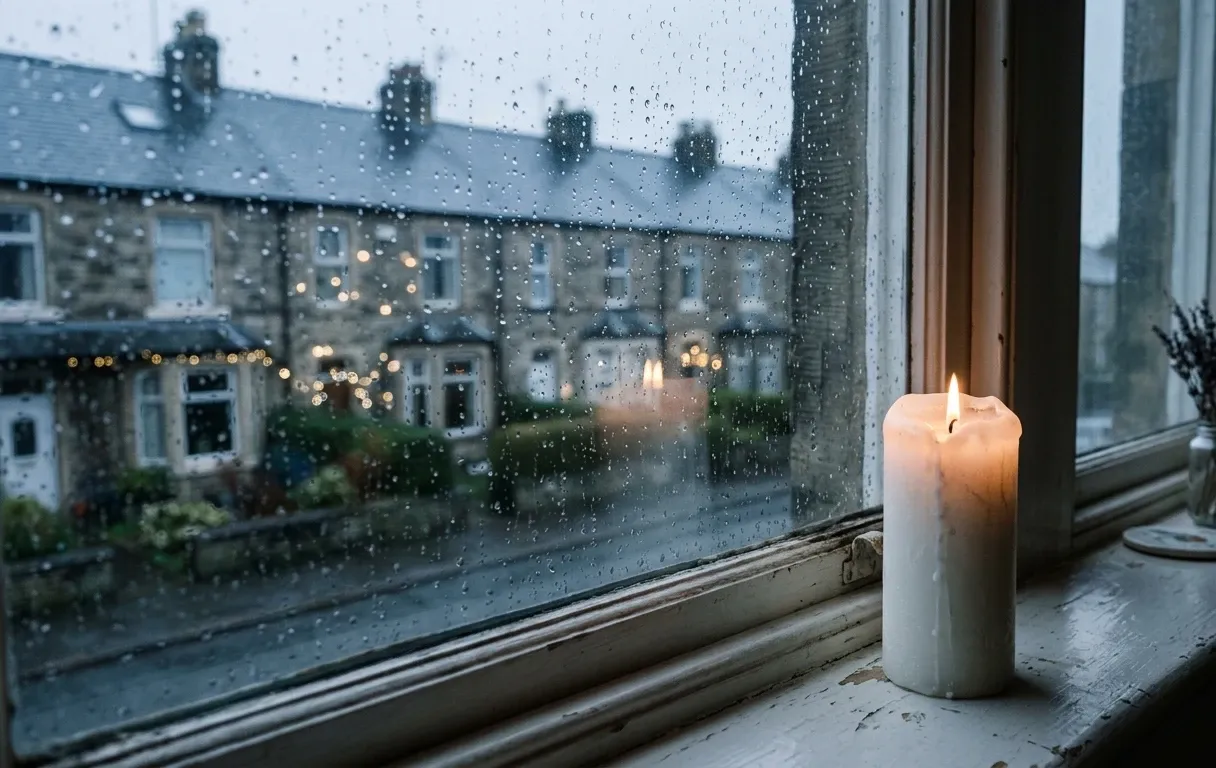
- Light a candle for them on the table or in the window.
- Hang a decoration that was theirs, or one that reminds you of them.
- Cook their dish, or make the thing only they ever made.
- Raise a glass and say their name.
- Write them a card and put it on the tree or keep it.
- Visit their grave or a place that mattered to them.
- Share a story or a photo over dinner.
- Give a gift in their name, or do something kind they'd have done.
Some families like a set moment for remembering, so it has a place and doesn't hang over the whole day. Others would rather it happen naturally. Either is fine.
Should you still send Christmas cards after a death?
Only if you want to. Nobody will think badly of you for not sending cards this year.
If you do send them, you might choose not to sign the name of the person who died, or you might want to include it, for example "Love from Sue, and remembering Dave". There's no rule about this. For people who may not have heard, such as distant relatives or old friends you only speak to at Christmas, a short note inside can save you a harder conversation later: "I'm sorry to tell you that Dave died in September."
Receiving cards addressed to someone who has died can hurt. It might help to have someone else open them first.
What do you say to someone grieving at Christmas?
If it's someone else's first Christmas, a short message means more than you'd think. Acknowledge that it'll be hard, and use their person's name. A few that work:
- "Thinking of you this Christmas, and remembering [name]."
- "I know this Christmas will be hard. No need to reply, I just wanted you to know I'm thinking of you."
- "I'll be thinking of [name] on Christmas Day. Can I pop round on Boxing Day?"
- "Merry Christmas feels like the wrong thing to say this year, so I'll just say I love you and I'm here."
Invite them to things, but make it easy to say no or leave early. And don't disappear after Christmas: January can be very lonely once the festive season ends. There's more on this in What to Say to Someone Who Is Grieving.
When to get more help
Feeling low, tearful, flat or angry at Christmas after a death is normal. But if you're struggling to function, not eating or sleeping, or the low mood has lasted more than two weeks, it's worth talking to your GP (NHS).
If you're having thoughts of harming yourself or not wanting to be here, please don't wait. Samaritans answers 24 hours a day, including on Christmas Day, on 116 123. You can also call NHS 111, or 999 in an emergency.
Common questions
Is it normal to dread Christmas after someone dies?
Yes. For many people the weeks before Christmas are harder than the day itself. Planning a little ahead can ease some of that dread.
Is it okay to not celebrate Christmas after losing a loved one?
Yes. Some people go away, some keep it very quiet, and some cancel it altogether. You can decide again next year.
Does the second Christmas get easier?
Often, but not always. Some people find the second Christmas hits harder, because the shock has worn off and other people expect them to be fine. Both are normal.
Is it wrong to enjoy Christmas while grieving?
No. Laughing, enjoying the food or having a good moment doesn't mean you've stopped missing them. Grief and joy can sit in the same day.
If your loss is recent, The First Few Months is a short, free guide to the early weeks, written for the time you're in now.
If you'd like to talk things through in the new year, get in touch.
Read the free guideSources
- NHS. Get help with grief after bereavement or loss (page last reviewed 14 July 2026).
This text has been polished with AI to improve readability, but the content is mine.