Manchester · Online across the UK
Grief for a pet is grief, even when other people don't treat it that way.
A six-week one-to-one pet loss course from a certified STILL Method grief coach
If someone has already told you it was "just a dog" or "just a cat", you won't hear that here. This is a course for people grieving a pet, specifically built by Steve on top of the same tried and tested STILL Method framework we use elsewhere.

About this course
Losing a dog, a cat or any other companion animal hurts as much as any other loss, and it tends to get dismissed far quicker. People who would never rush a bereaved friend will suggest you "just get another one". That gap between what you're feeling and what you're allowed to say out loud has a name, disenfranchised grief, and it's what this course exists for.
Pet loss has its own particular weight: the decision to have them put to sleep, the walks and routines that suddenly have nowhere to go, the lead still on its hook. Occasions like the first Christmas without them can be especially hard, and there are some thoughts on getting through that in Grief at Christmas.
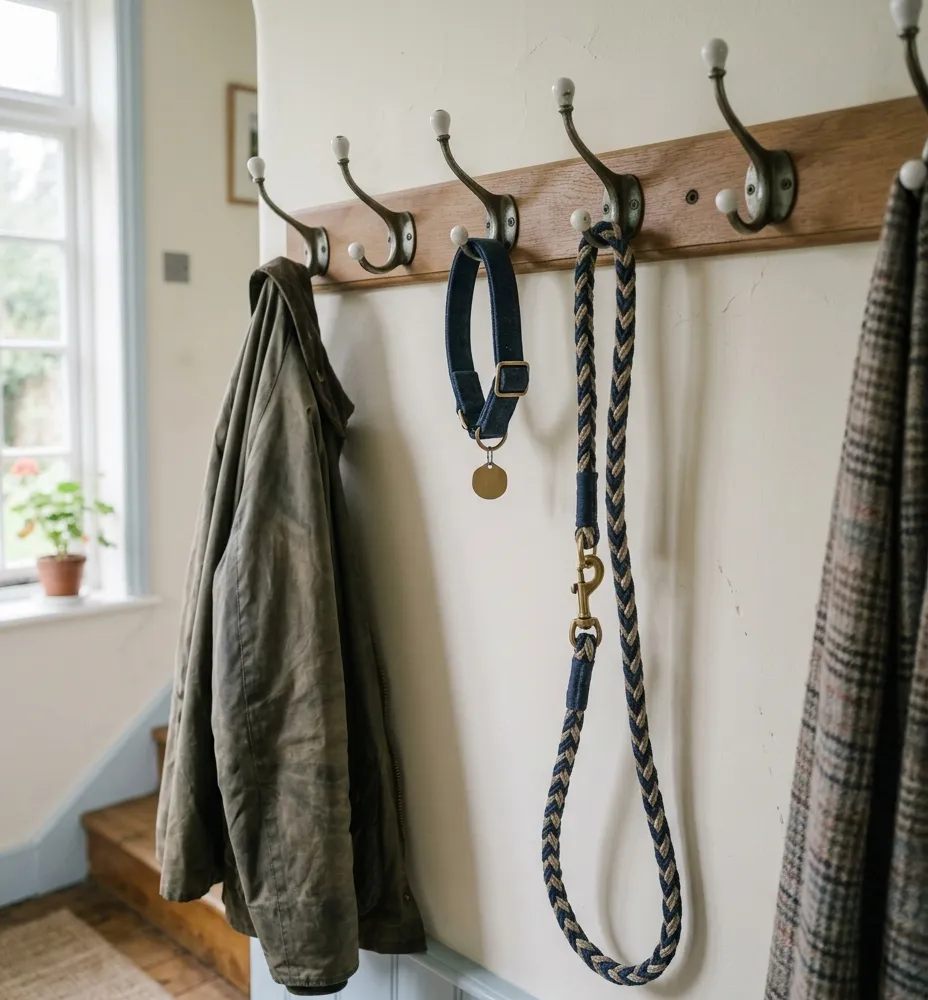
The course is built on the same STILL Method foundations Steve uses in all of his coaching: a steady, structured space to make sense of the loss, without having to justify why it hurts this much.
The most difficult decision
Almost no other loss asks you to choose the day it happens. That's why so much pet grief arrives as guilt rather than sadness: too soon, or too late, and often both on the same day.
An entire week of this course is given over to the day they had to be put to sleep. Not to tell you what you did was right or wrong, but to talk it through and make sense of what was probably your darkest day.
The six weeks
Six sessions, one a week, an hour each, online and one-to-one. Not a group. This is Steve's full attention, because most people arrive having had nowhere to put any of it.
1 · Their life, and the shape of your grief
Tell me about them properly. Their name, how they came to you, what they were like. Then we start to see the shape your grief is taking.
2 · Grief nobody gave you permission for
The things people said, the people who said nothing, and why this loss is so much harder to grieve out loud.
3 · Your body, and the shape of your day
Where grief sits physically, and the gaps left where the walk, the feed and the early wake-up used to be. You leave with tools you can use anywhere.
4 · Their last day
The hardest session. Too soon, too late, and the images that won't leave. Held carefully, and not rushed.
5 · Continuing bonds, and what you keep
A letter to them. The collar, the ashes, the photograph, the old walking route. What staying connected can look like.
6 · Who you are now
Grieving and living at the same time, the question of another animal, and something to keep.
£290 including VAT, paid in full at booking. That's the same as the six-week course for any other bereavement, because it's the same amount of work and the same size of loss.
FAQ
How long will losing my pet hurt?
There's no fixed timeline, and anyone who gives you one is guessing. Grief for a pet tends to soften rather than disappear. The sharp, constant pain usually eases over the first few months, but it can resurface at anniversaries, or when something small brings them back. This course won't make that happen faster than it's going to; it gives the grief somewhere to go instead of you carrying it alone.
What can I do about feeling sad about losing my pet?
Talk to someone who won't rush you past it or tell you to get over it. That matters more than it sounds. Keep some structure in your day, even where the routine around them, the walk, the feed, the early wake-up, has gone. And let yourself feel it now rather than pushing it down until you think you're allowed to. If you want somewhere structured to do that rather than carrying it alone, that's what this course is for.
Should I get another pet to replace the one I lost?
No matter what, another pet will not replace the one you have lost – so if the house feels empty without the sound of paws on the floor, then yes – get another one. If you are doing that to replace the lost one in the hope your grief will lessen, then I would recommend not.
Where can I go for support after losing a pet?
Start with the people in your life who take it seriously. You'll know quickly who that is. If it's affecting your sleep, appetite or ability to function day to day, it's worth mentioning to your GP. And if you want a dedicated space to work through it properly, this six-week course is built specifically for pet loss, not bolted onto a general bereavement course.
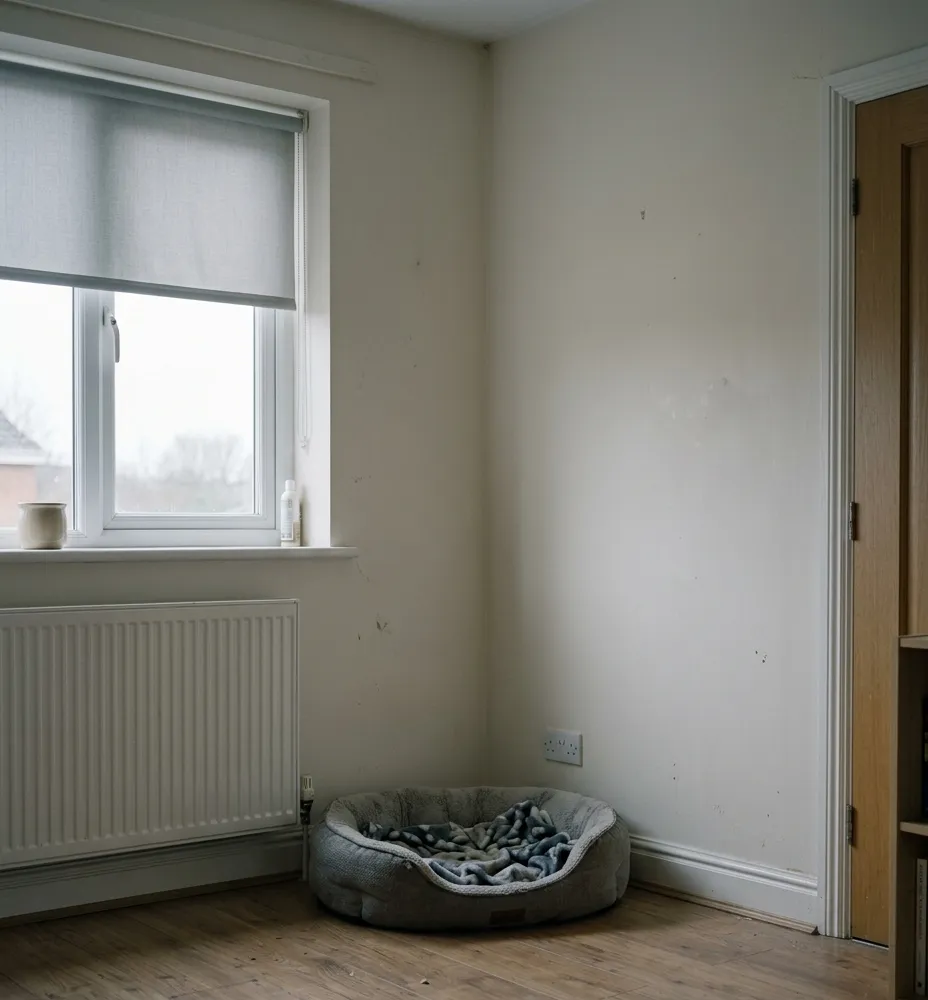
The bed's still in the corner. That's absolutely fine.
You don't have to be further along than you are, or explain the loss to anyone who doubts that it really hurts. Book a free chat if you'd like to ask Steve anything first.
If you're in crisis right now, or having thoughts of harming yourself, Samaritans are free to call on 116 123, any time of day or night. For urgent medical help call NHS 111, and in an emergency call 999.