Grieving Dolly Parton: Why It Hurts When You Never Met Her
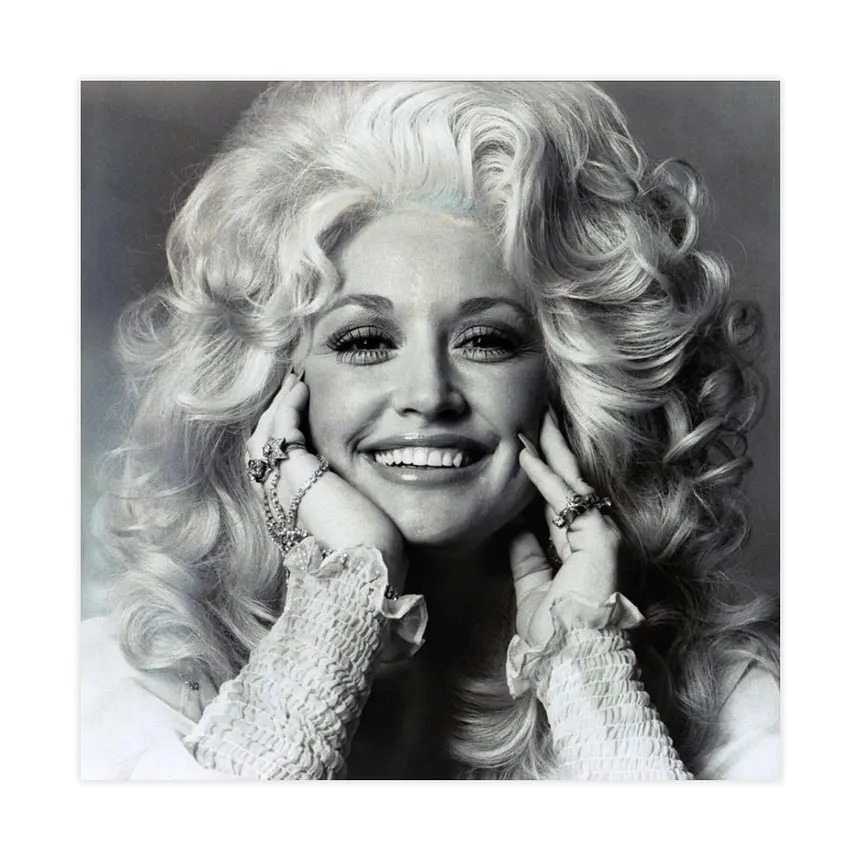
If Dolly Parton’s death has left you low, tearful or just oddly flat, and you can’t work out why it’s hit you this hard, you’re not being silly. She died on 25 August 2026, aged 80, and a lot of people have been carrying it quietly since. Some haven’t told anyone.
I’m a grief coach. Most of the people I work with have lost someone close, but this kind of loss comes up more often than you’d think, and I take it seriously.
Why it hurts when you never met her
Psychologists call the one-sided bond we form with public figures a parasocial relationship. It’s a clinical name for something very ordinary. You’ve heard her voice in your kitchen and in the car, at weddings and at funerals. She was around on the good days and on the days you needed cheering up. Over decades that adds up to a real presence in your life, even though she never knew your name.
What you’re missing is partly what she gave you. For a lot of people that was warmth and humour, and the sense that you could have a hard life and still be kind and laugh loudly. For others it’s a person. Your mum singing along to “Jolene”, your nan’s records, or you at seventeen knowing every word.
I’d pay attention to that one. Grief for a public figure is often partly grief for someone else, or for a time in your life that’s gone. If you’ve lost someone close and Dolly is part of how you remember them, her death can reopen that loss without any warning.
Grief that doesn’t feel allowed
There’s a name for grief that people don’t feel entitled to: disenfranchised grief. There’s no funeral to go to and no casserole on the doorstep. Nobody asks how you’re doing. You might even hear yourself starting with “I know it’s silly, but…” before you’ve said anything at all.
If you catch yourself apologising like that, it’s worth asking who you’re apologising to. You don’t need to have met someone to miss them, and you don’t need anyone’s permission to feel it. It won’t arrive in a neat order either. Grief isn’t a straight line, and it can go quiet for weeks and then come back with a song on the radio.
If it’s someone you know who’s feeling this, and you’re not sure what to say to them, what to say to someone who is grieving might help.
Some things that can help
None of this is a programme, and you don’t have to do any of it.
One thing I often suggest is finishing the sentence “She was the one who…” and seeing what comes out. It’s usually the quickest way to find out what you’re actually missing, and once it has a shape it’s easier to carry.
Her music can be a comfort and it can floor you, sometimes in the same song. If it makes you cry, let it. If it’s too much, turn it off and come back to it another day.
It also helps to be around other people who feel it. That might be reading the tributes, swapping memories with a friend, or lighting a candle. Plenty of people are grieving her quietly, and most of them are relieved when somebody else says it first.
Some people find it settles something to do a small kind thing in her name. Her Imagination Library has been sending free books to children for years, so a donation is one option, but so is giving an hour to someone who could use it. If that feels forced right now, leave it. Grief doesn’t have to be turned into a project.
And whatever you loved in her, whether it was the humour or the nerve, doesn’t have to go anywhere. You can keep it in how you treat yourself and the people around you.
When it’s more than you expected
For most people, grief for a public figure rises and then eases, especially if they go easy on themselves. Sometimes it’s heavier, particularly when it lands on top of an earlier loss. If it’s getting in the way of sleep or work, or you’re having thoughts of harming yourself, please speak to your GP. If you’re in crisis, you can call Samaritans free on 116 123, any time of day or night.
If this has stirred up an older loss and you’d like to talk about it, I’d be glad to hear from you. My six-week online course, Life After Loss, is for people who are finding grief hard to carry, and it starts with a free chat to see whether it’s right for you. You can also read how Life After Loss works, or get in touch if you’d just like to ask a question.
Common questions
Is it normal to grieve a celebrity you never met?
Yes. Many people feel real grief when a public figure dies, especially someone whose voice or work has been part of their life for decades. It is a recognised experience, and feeling it doesn't mean you're being dramatic.
What is parasocial grief?
It's grief for someone you felt close to through their music, films or public life, without ever having a personal relationship with them. The bond is one-sided, but the feelings it creates, and the sense of loss, are real.
Why am I so upset about Dolly Parton's death?
Often it's about more than her. She may be tied up with a parent, a grandparent or a time in your life, so her death can reopen an older loss. Naming what she meant to you can help you see what you're actually missing.
What is disenfranchised grief?
It's grief that other people don't openly recognise or make space for, such as grief for a public figure, an ex, or a pet. With no funeral and no one asking how you are, it can feel as though you're not allowed to be sad.
How long does grief for a celebrity last?
There's no set time. For many people it rises and then eases over days or weeks, particularly with some kindness towards themselves. If it's heavier than you expected, lasts, or stops you sleeping or working, speak to your GP.
If you're in crisis right now, please contact the Samaritans on 116 123 (free, 24/7) or your GP. This isn't the right place for urgent support, and that's okay.